
What Is a Swivel Spoon? How It Works and Who It Helps
TL;DR
- A swivel spoon is an adaptive utensil with a rotating bowl that stays level.
- It works purely mechanically, using gravity, with no batteries or electronics.
- It suits mild to moderate hand tremor and limited coordination.
- Severe tremor may need a motorized, sensor-based device instead.
- An occupational therapist can help confirm the right fit.
When hand tremor makes it hard to get a spoonful of food to your mouth, a swivel spoon is one simple, non-powered tool that can often help. This adaptive utensil has a rotating bowl mechanism that helps keep food level as your hand moves. This guide explains what you need to know to judge whether it fits your situation.
The Basic Mechanism, Explained
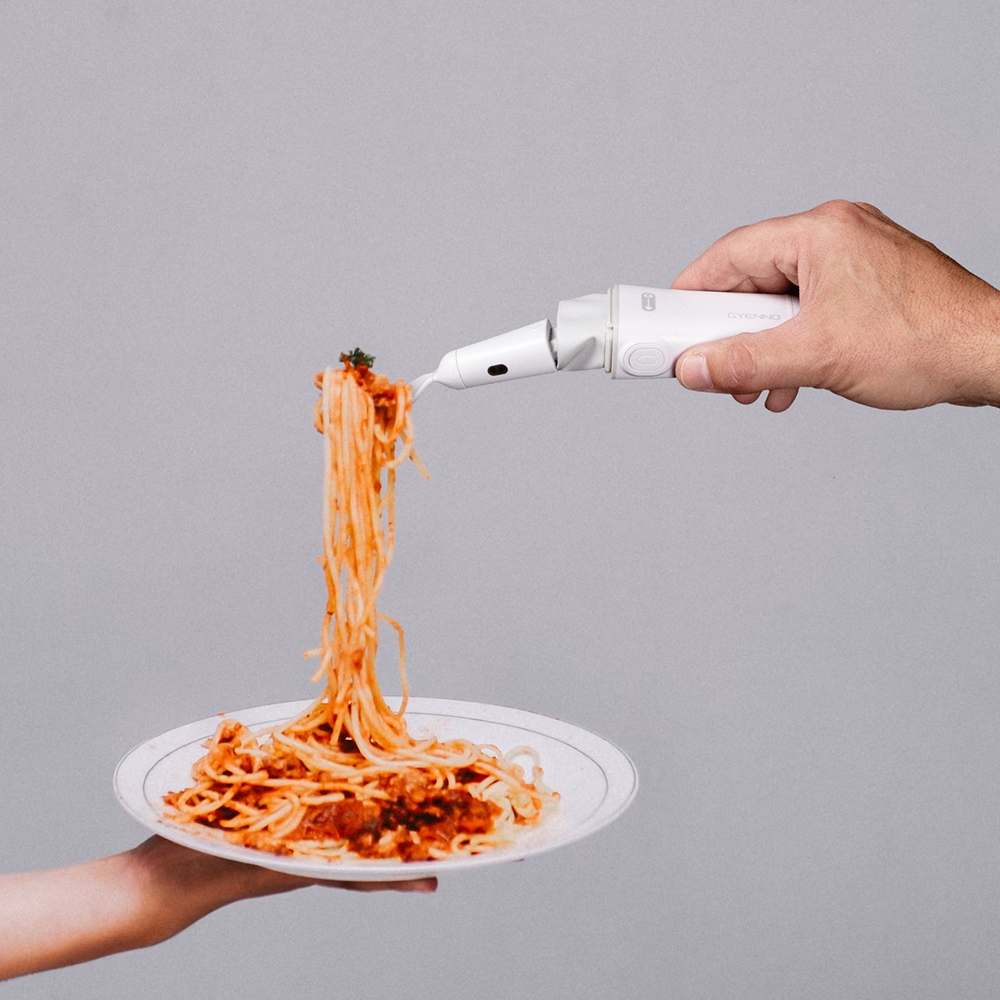
At the heart of a swivel spoon is a pivoting swivel joint between the bowl and the handle. As the hand tilts or shakes, gravity keeps the weighted bowl hanging level, so food stays put instead of tipping out. The design is purely mechanical. No batteries or electronics to charge, replace, or maintain keep the utensil simple and reliable. That simplicity is part of its appeal.
Who Swivel Spoons Are Designed For
Swivel spoons are designed for people with mild to moderate hand tremor or limited coordination. That includes individuals managing Essential Tremor (ET), early-stage Parkinson's Disease (PD), or reduced grip strength who still want to eat independently. Because they are mechanical and affordable, swivel utensils are often a first, low-cost option that people try before exploring more advanced motorized eating devices. Many people use one alongside regular cutlery rather than replacing every utensil.
What It Can and Can't Compensate For
A swivel spoon reduces spillage well for smaller-amplitude tremor, where the bowl can hang level between movements. It has limits, though. Severe or high-amplitude tremor can still overwhelm a passive swivel mechanism, because the motion outpaces what gravity alone can settle. This is where motorized, sensor-based devices become relevant, actively counteracting shake rather than simply letting the bowl rebalance. An occupational therapist can help judge where a tremor falls on that range.
Swivel Spoon vs. Swivel Fork vs. Full Utensil Sets
Most swivel utensils come as a standalone spoon, a swivel fork, or a paired set. Handle grips vary too, with standard, built-up, and strap-secured options to match different hand sizes and grip strength. Your choice often depends on your primary meal type.
- Spoon: soups, cereals, and softer foods
- Fork: solid foods and mixed plates
- Paired set: varied meals across the day
Everyday Use: What to Expect at the Table
Expect a brief adjustment period as the hand learns to work with the swivel rather than fight it. Early meals may feel unfamiliar, and practicing with easy-to-scoop foods first can make the adjustment smoother. A swivel spoon works with most standard bowls and plates, so you don't need a special setup. Many designs in this category are dishwasher-safe, which keeps daily cleaning simple.
Swivel Limiters and Why They Matter
Some swivel spoon designs include a built-in swivel limiter that restricts how far the bowl can rotate. This small detail matters more than it sounds. Without it, an over-rotating bowl can tip food out the other direction, undoing the benefit. A limiter keeps the swing within a useful range, making scooping more controlled and predictable, especially when the hand moves suddenly or unevenly. It is worth looking for when comparing designs.
Cost and Accessibility Compared to Powered Options
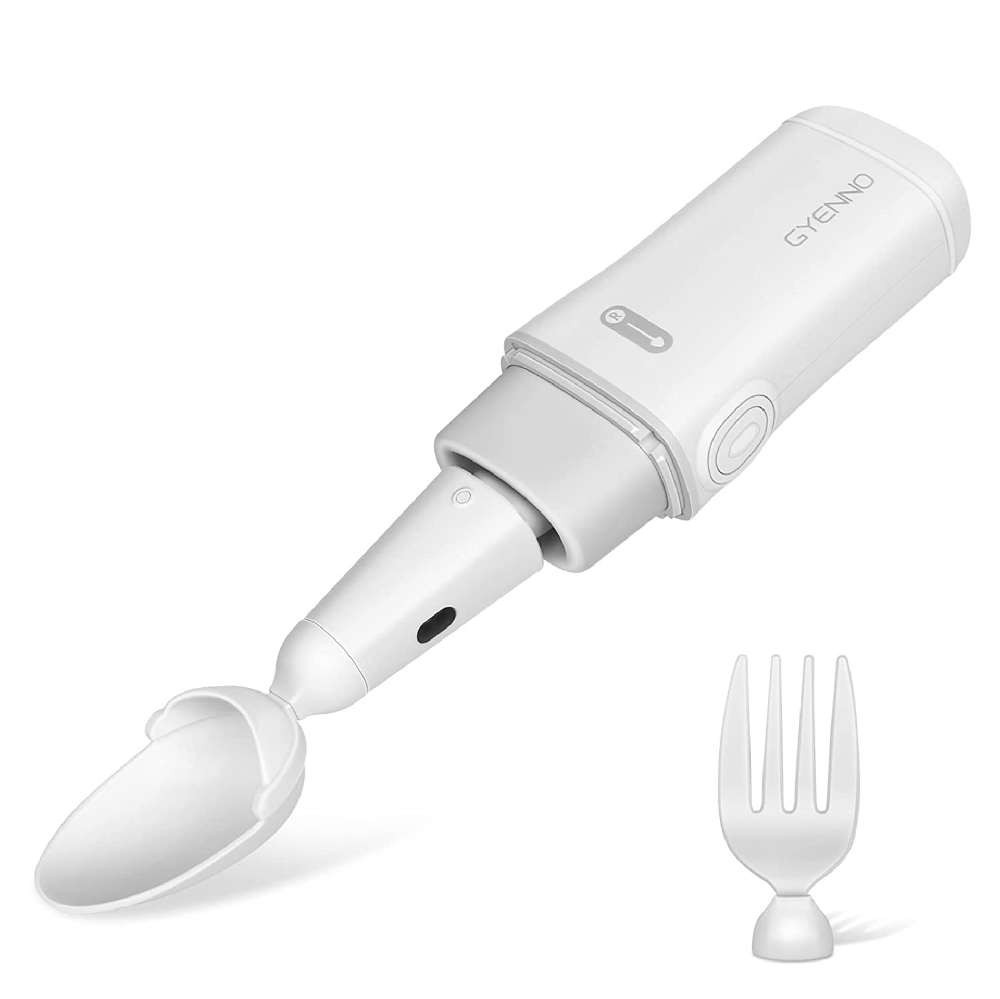
Cost is often the deciding factor between device types.
- Mechanical swivel utensils: low-cost entry point, no power needed.
- Powered, sensor-based spoons: significantly higher price point, battery or motor.
Mechanical swivel utensils sit at the accessible end of adaptive eating, which is why they are often the first thing people try before considering a motorized device. Built-up or strap-secured handles add a little to the cost but often improve control.
When to Consider Moving Beyond a Swivel Spoon
A swivel spoon may no longer be enough as circumstances change. Watch for a few clear signals that point toward a different solution.
- Persistent spillage despite the swivel mechanism working as intended
- Tremor amplitude that appears to increase over time
- Growing frustration or fatigue at mealtimes
If these patterns show up, it is worth discussing with an occupational therapist, who can assess the situation and make a formal recommendation suited to your needs.
Caring For and Maintaining a Swivel Spoon
Maintenance is refreshingly minimal. Depending on the materials, a swivel spoon is usually simple to hand-wash or clean in the dishwasher, so check the manufacturer's care guidance. Periodically check the swivel joint for wear, since that moving part does the work and should pivot freely. Unlike motorized alternatives, which require batteries and charging, this design keeps upkeep straightforward.
Where to Get Guidance on Fit
An occupational therapist can assess your grip, tremor pattern, and daily routine, then recommend the utensil type that suits you best. Many OT clinics let you trial a utensil before committing to a full set, so you can see how it performs at real meals. The right fit depends on hand size and tremor severity, not simply on brand, which is why a professional assessment is so valuable.
Where Mechanical Solutions Reach Their Limit
For tremor beyond what a passive swivel can manage, people often look toward sensor-based, motorized stabilizing utensils that actively detect and counter movement. This is a distinct technology category that works on a different principle. We cover it in depth in a companion piece on smart spoons. The two suit different tremor levels. Think of this as a decision point: match the technology to the tremor pattern, then explore the category that fits.
Is a Swivel Spoon Right for You
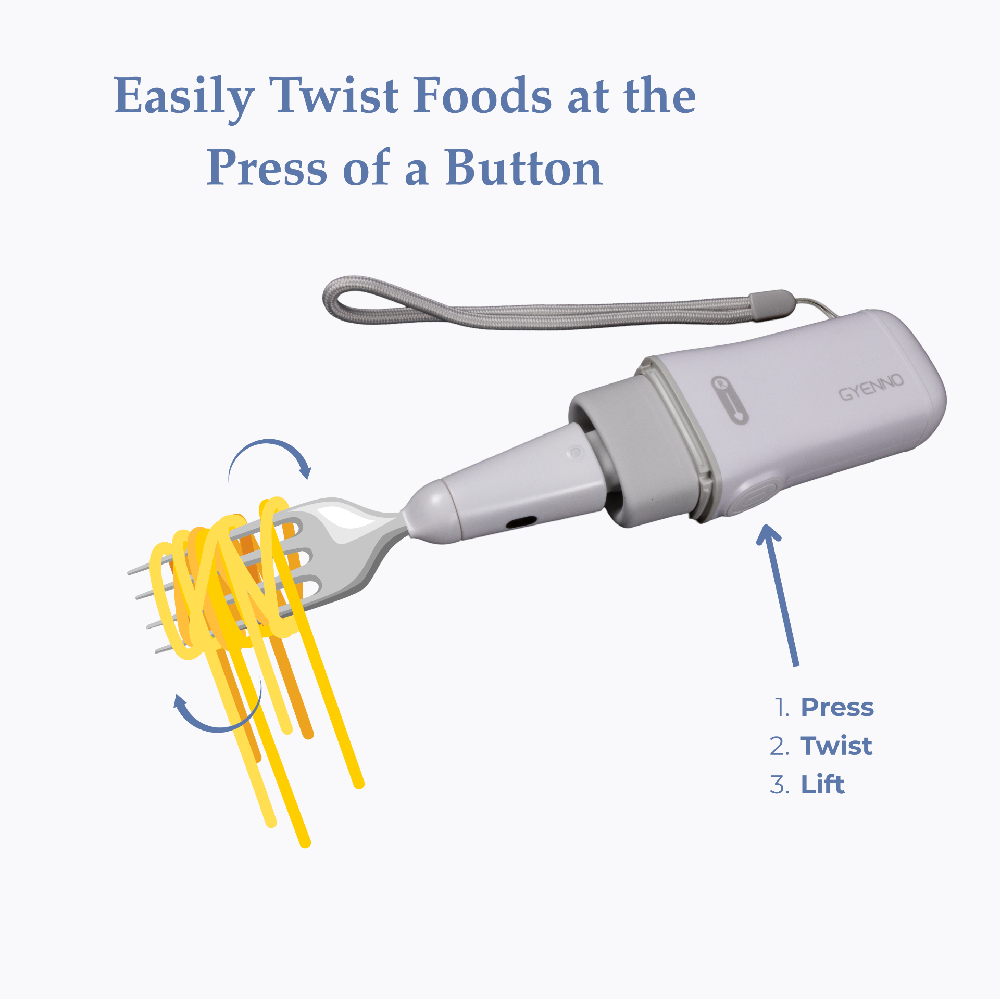
A swivel spoon is a simple, mechanical tool that can make mealtimes easier for people with mild to moderate tremor, keeping the bowl level without batteries or complexity. It will not suit every situation, and severe tremor may call for a different approach. If you are weighing your options, an occupational therapist can confirm a proper fit for your grip and tremor pattern. Most standard bowls and plates work, but some pairings make scooping easier. A bowl or plate with a raised edge gives food something to push against as you scoop, and a non-slip mat keeps the dish from sliding when the hand moves. Shallow, flat plates are usually the hardest to scoop from. If one dish feels awkward, switching to a deeper bowl is often a simple first adjustment worth trying. They work best for mild to moderate tremor, but simple positioning changes can extend how well a swivel spoon performs. Resting the forearm or elbow on the table, sitting close to the plate, and choosing a heavier built-up handle all reduce how far the hand travels between scoops. If spills continue despite these changes, an occupational therapist can watch a real meal and assess whether a sensor-based anti-tremor spoon would better suit the tremor. A swivel limiter is a built-in stop on the joint. It matters most for people whose hand moves in sudden or uneven bursts, since those motions are most likely to swing an unrestricted bowl too far. When comparing products, look for wording such as “limited rotation” or “swivel stop” in the description. If you are unsure whether you need one, an occupational therapist can watch you eat and advise on the right design. Commonly, yes, but care instructions vary by model, so follow the manufacturer’s guidance. Whichever method you use, dry the swivel joint fully afterward, since trapped moisture or food can make it stiff. A joint that sticks, squeaks, or no longer lets the bowl hang level needs a thorough clean or a replacement, because a stiff swivel stops keeping food level and loses its main benefit at the table. Avoid soaking the joint for long periods unless the instructions allow it. Beyond the purchase price, ongoing costs differ too. A swivel spoon has no batteries, chargers, or electronics, so after you buy it, there is little else to pay for. Motorized spoons may need replacement attachments and, eventually, a new battery or handle. Because swivel utensils cost less up front, they are a practical way to test whether an adaptive spoon helps before committing to a powered tremor-stabilizing spoon, which is a larger investment. Start by asking your doctor or neurologist for an occupational therapy referral, or contact an outpatient rehabilitation clinic directly. Bring the utensils you use now and, if possible, eat a small snack during the session so the therapist can see the tremor at work. Note which foods spill most often, such as soups, rice, or peas, and at which meals. That detail helps the therapist recommend the right anti-tremor spoon or swivel design for your meals.Frequently Asked Questions