TL;DR
- Living with rheumatoid arthritis means adapting to both flare days and remission.
- Joint protection and pacing reduce strain across everyday tasks.
- Warm showers and gentle stretching ease morning stiffness.
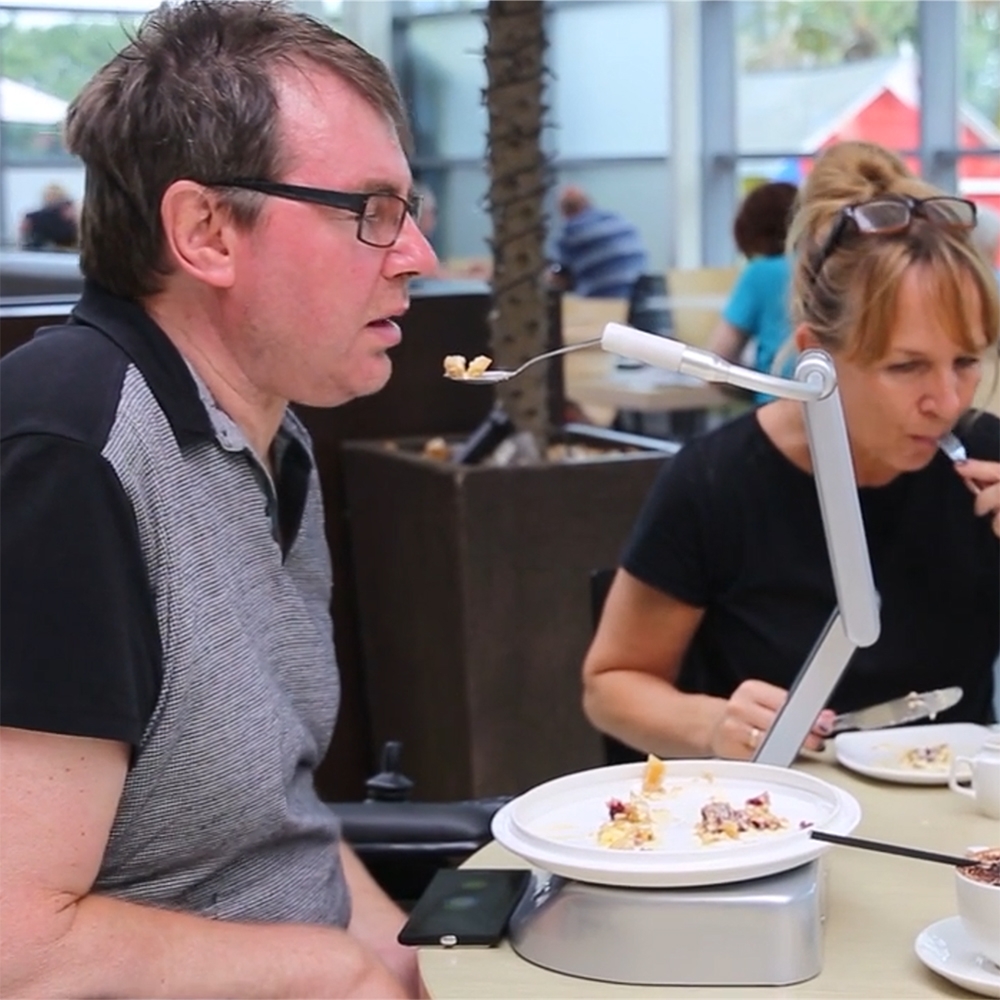
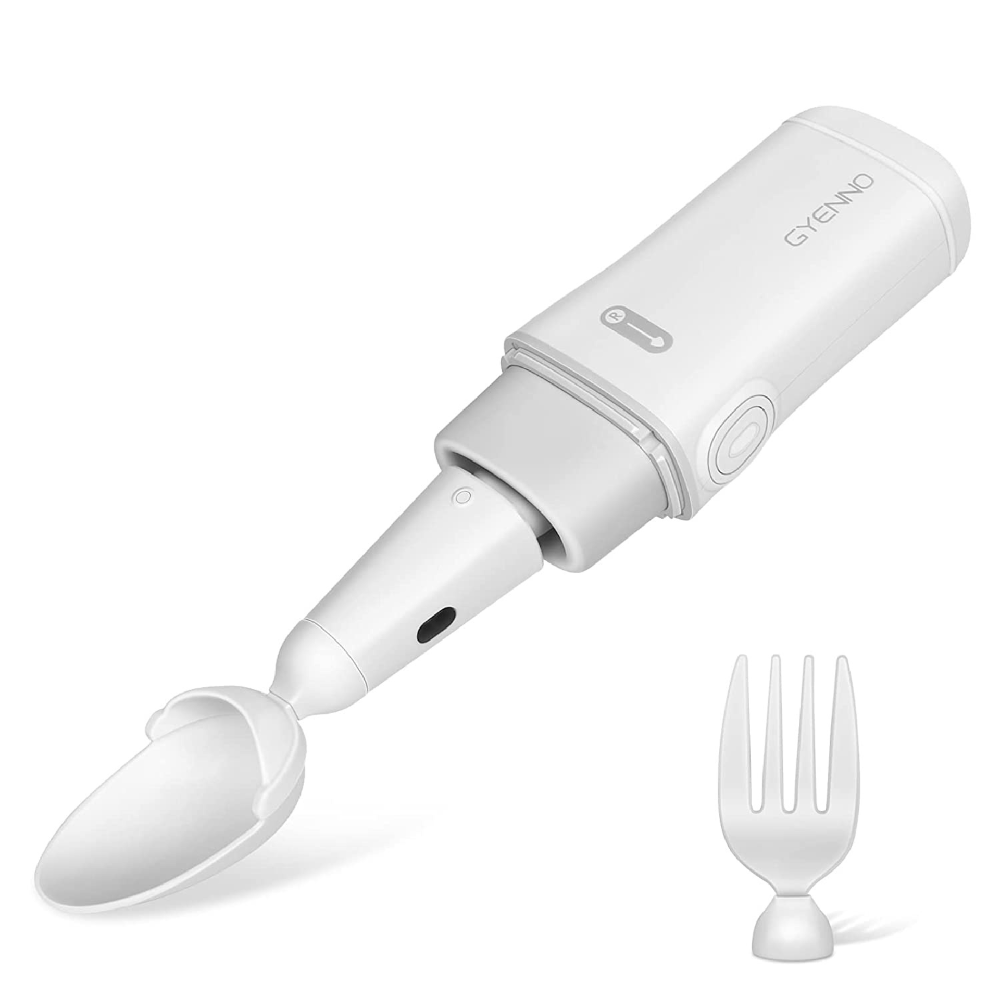
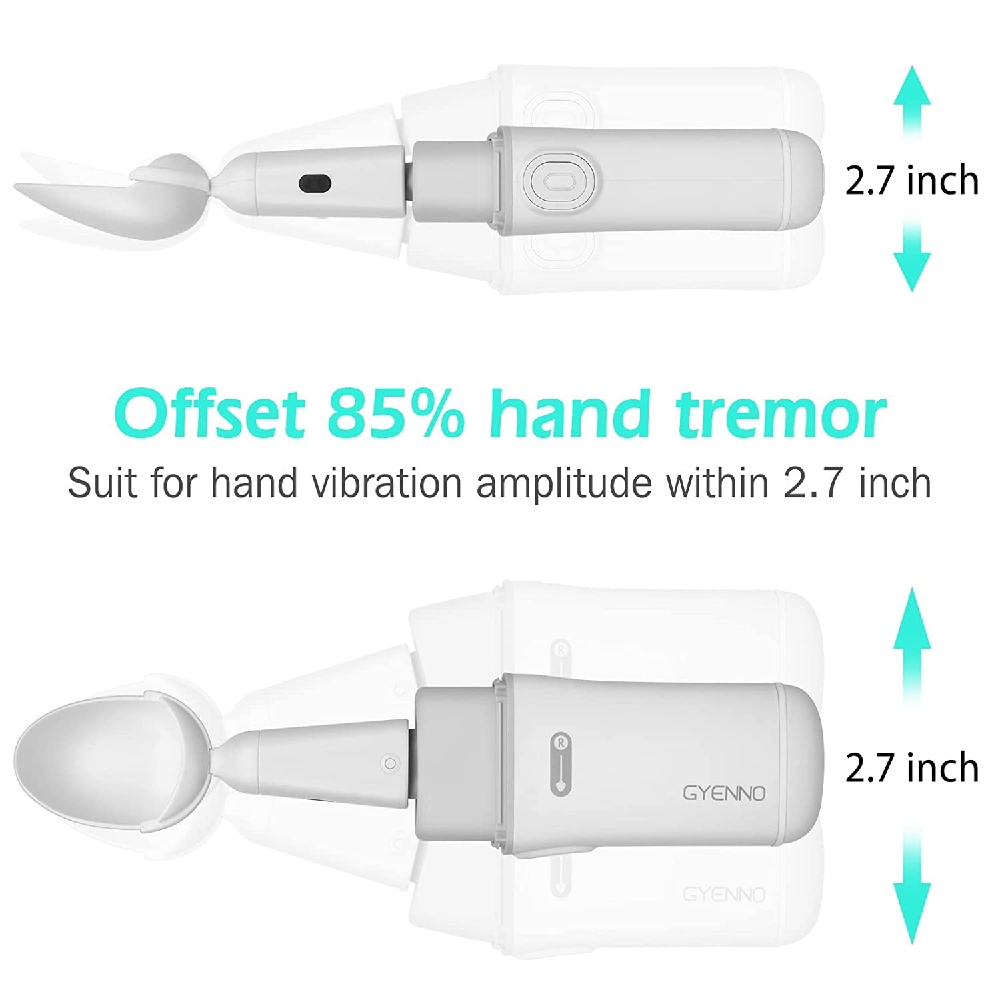
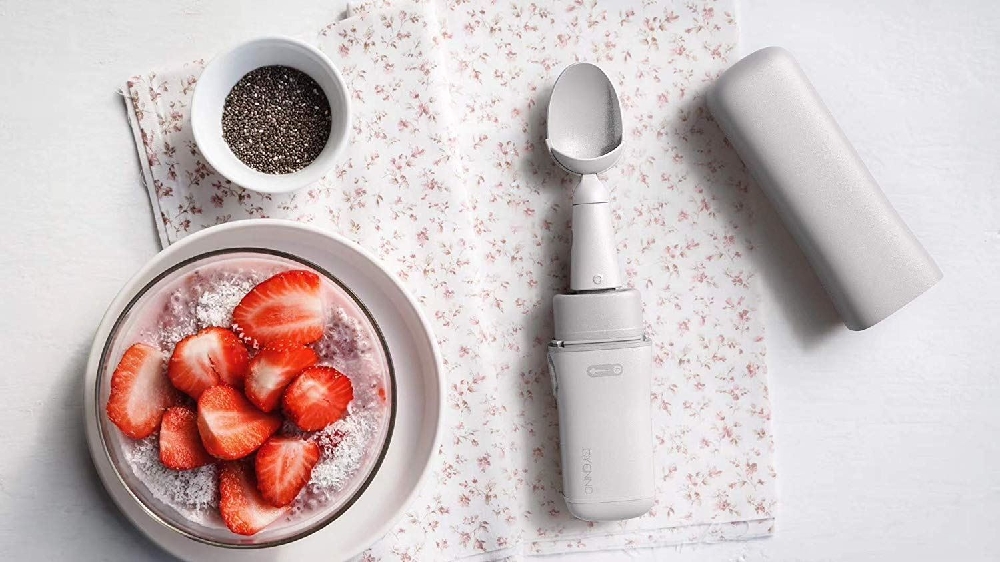
- Adaptive tools lower grip force and offer support during mealtimes.
- A full care team keeps your daily strategies matched to current symptoms.
Living with rheumatoid arthritis often means navigating unpredictable shifts, where a comfortable day can give way to a painful flare. If you are looking for ways to manage both, practical strategies exist. This guide covers joint protection, energy conservation, and task pacing throughout a typical day, so you can approach each one with more confidence and less strain.
Understanding Flares and Remission
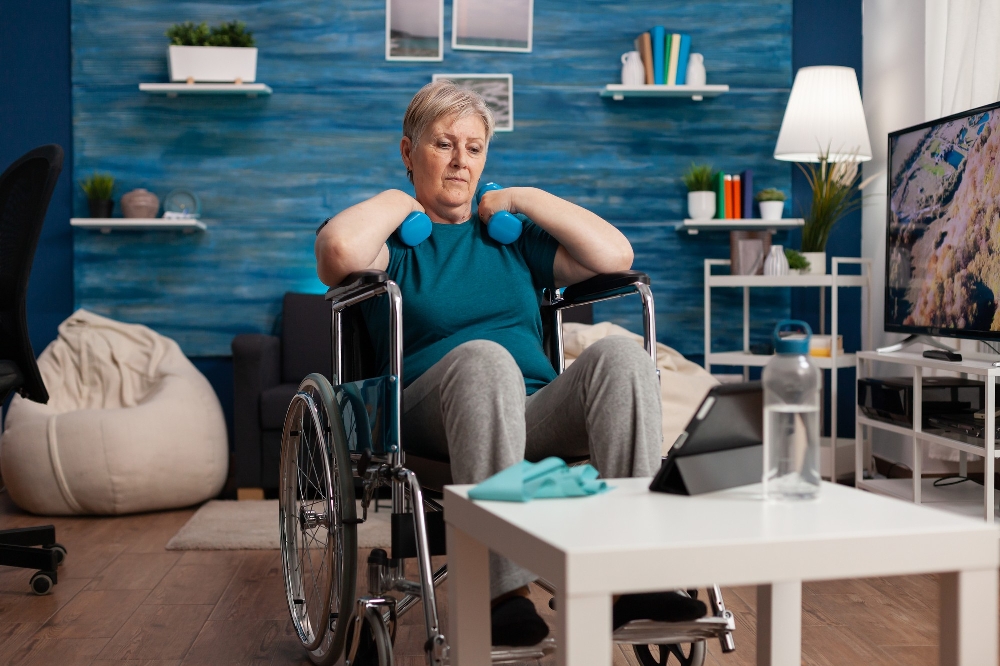
According to the Hospital for Special Surgery, remission describes periods with few or no symptoms, while a flare is a stretch of increased joint inflammation. Flares can last days to weeks, and they are sometimes unpredictable, arriving without obvious warning. Because your symptoms shift between these two states, your daily strategies need to flex too. What works on a calm day may need adjusting when a flare sets in.
Starting the Day: Morning Stiffness Strategies
Mornings are often the hardest stretch. The Arthritis Foundation suggests you "heat up your morning," and a warm shower is one of the simplest ways to ease morning stiffness in tight joints. After warming up, light stretching helps loosen things further before you move into the day. If your energy tends to be higher earlier, scheduling important tasks for that window can make them feel more manageable.
Protecting Your Joints Through the Day
Hospital for Special Surgery notes that joint protection centers on reducing unnecessary strain. Where possible, use larger joints like your shoulders and hips instead of your fingers, for example, sliding items rather than lifting with a tight grip. Adaptive tools lower effort, which beats pushing through rheumatoid arthritis hand pain. Our companion piece covers these joint protection techniques in depth.
Kitchen Tasks and Eating with Arthritis
Kitchen work is often cited as one of the most joint-intensive parts of the day, from chopping to lifting pans. A few small changes help considerably:
- Built-up handles on utensils reduce grip force
- Rocker knives help with chopping and cutting
- Lighter cookware eases the strain of meal prep and eating
Eating with arthritis becomes easier when tools do more of the work. For the full equipment picture, see our companion piece on occupational therapy for RA.
Pacing: Working With Your Energy, Not Against It
Both Hospital for Special Surgery and the Arthritis Foundation emphasize pacing as a core skill. The central idea of energy conservation is to rest before you are fully fatigued, not after. On lower-energy days, prioritize your highest-value tasks and let the rest wait. Spreading demanding activities across the day, instead of batching them together, keeps you from draining your reserves all at once.
Recognizing and Responding to a Flare

Common flare triggers include stress, infection, and fatigue, though flares can also occur without any clear trigger. When one is in progress, taking frequent breaks and reducing stress can help you manage it. Rather than pushing through, adjusting your task expectations during a flare is a recognized strategy. Scaling back for a few days is not giving up; it is responding sensibly to your body.
A Typical Day, Reimagined Around RA
Structuring your day around your symptoms can make a real difference:
- Morning: a warm-up routine before demanding tasks
- Midday: higher-energy tasks scheduled when possible
- Evening: a wind-down routine that supports sleep quality
Sleep matters here, since poor rest can affect how your joints feel the next day. The goal isn't a rigid schedule, but a rhythm that works with your energy instead of against it.
Exercise and Movement Without Overdoing It
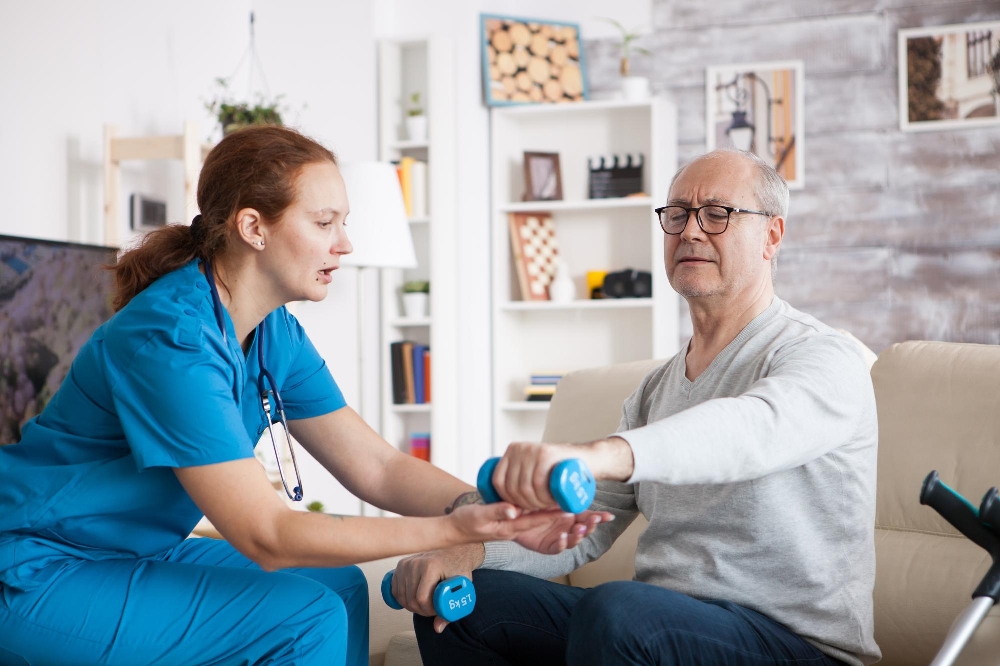
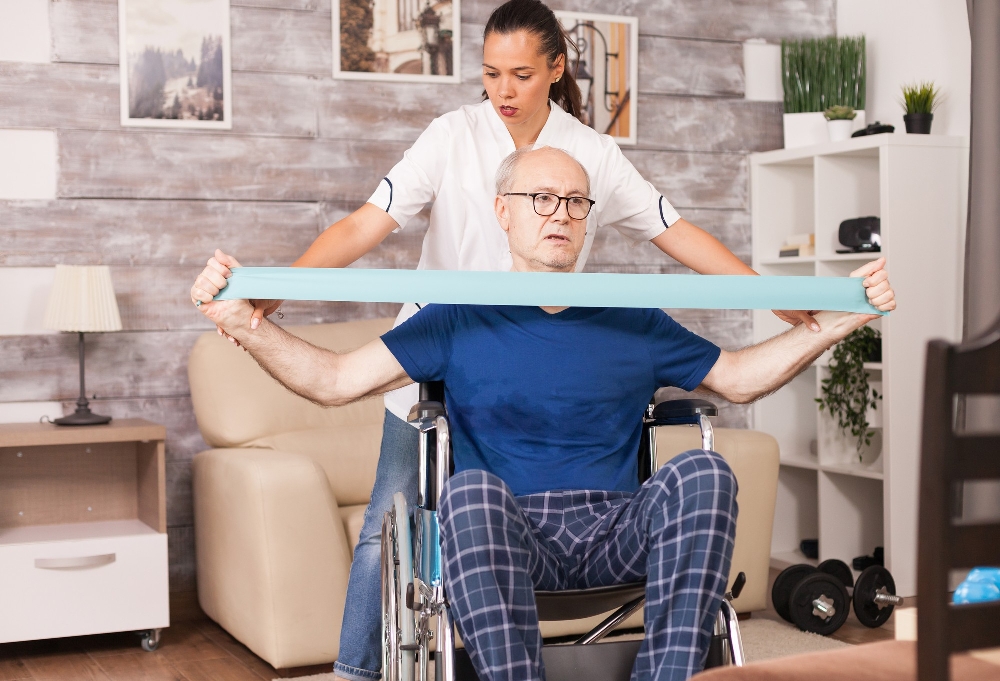
Experts point to regular movement as a way to keep the muscles around your joints strong and flexible. Non-impact activities like swimming are commonly recommended because they allow movement without heavily loading the joints. The key is balancing activity with rest. A physical therapist familiar with RA can best guide this by tailoring a routine to your capacity and current symptoms.
Coping Emotionally With an Unpredictable Condition
It is common to feel frustration or low mood when managing rheumatoid arthritis day to day. Staying connected with friends and family who understand what you are facing can lighten that weight. A support group, whether in person or online, is a widely recommended resource that offers practical tips and the reassurance of people who genuinely get it. Mention persistent low mood to your rheumatologist too.
Building a Care Team Around Daily Life
No single professional handles everything. A rheumatologist leads your overall RA management, while occupational and physical therapists support the daily tasks and movement side. Together they form a care team suited to the full picture of your life, not just your joints. Regular conversations with that team help your strategies stay matched to your current symptoms, which shift as flares and remission come and go over time.
A Note on Everyday Equipment
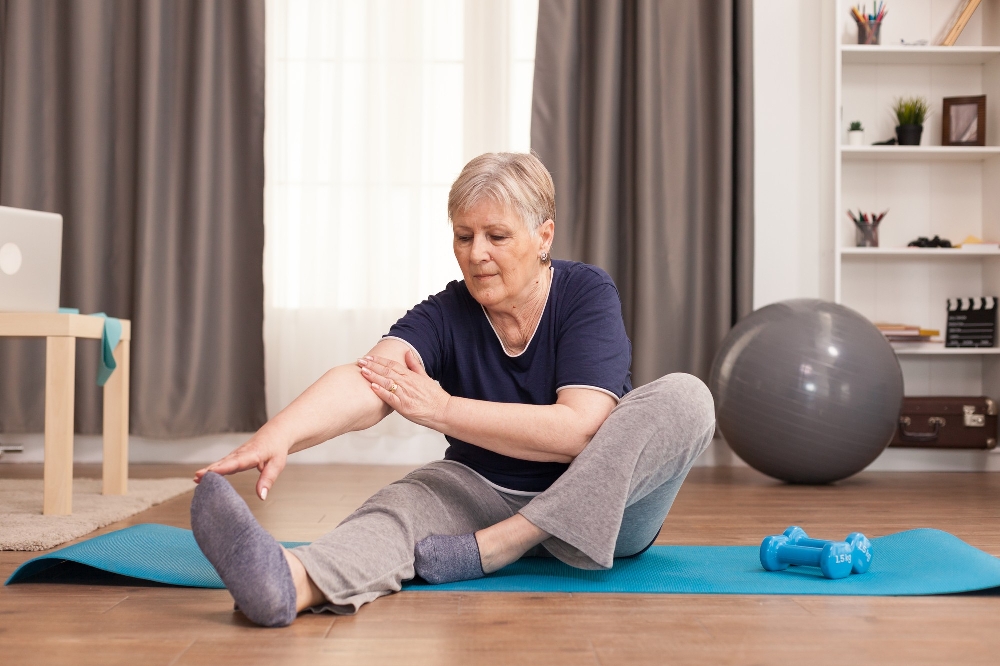
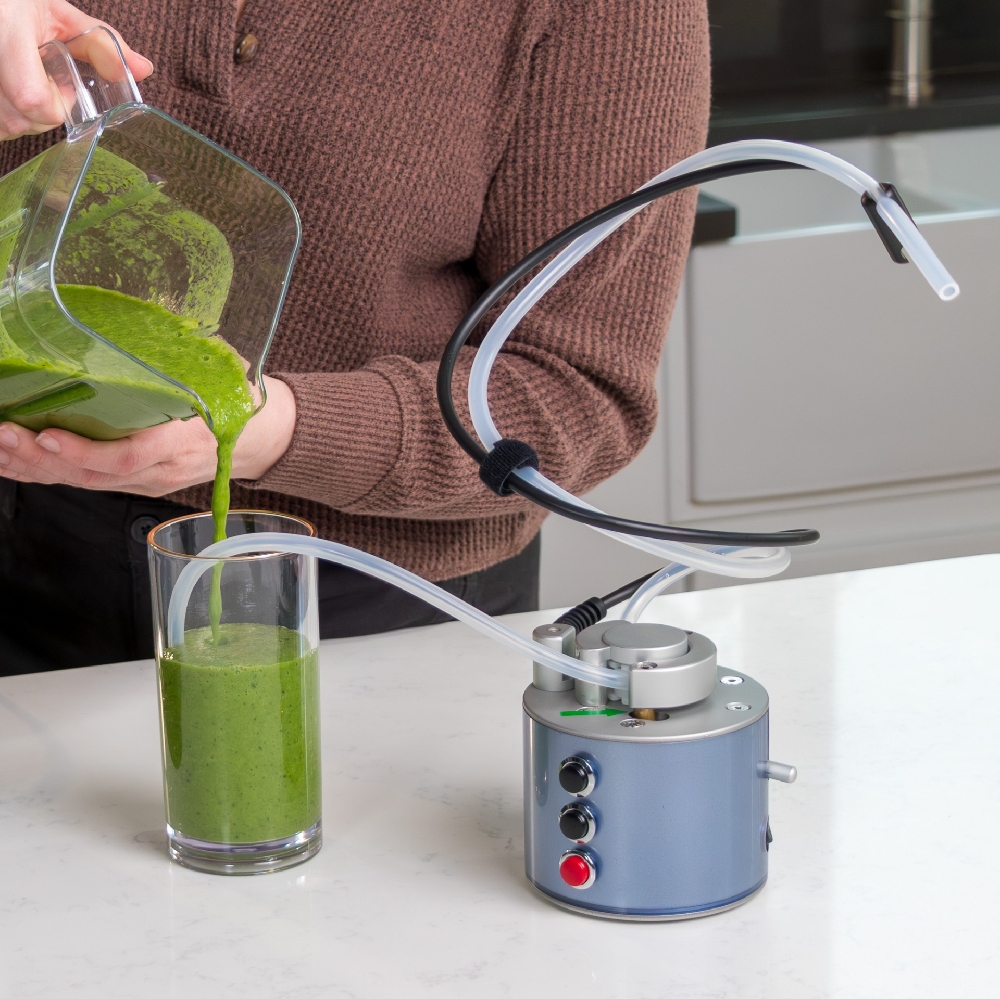
Many of the strategies above pair naturally with adaptive equipment matched to specific daily tasks, from easier-grip utensils to tools that lower effort around the home. The most useful next step is raising this directly with an occupational therapist, who can recommend equipment suited to your current symptoms and routines.
Conclusion
Living with rheumatoid arthritis is an ongoing practice of adjustment rather than a single fix. The strategies here flex between flare and remission, built around joint protection and sensible pacing across a typical day. Working with a full care team over time keeps your approach grounded in what your body actually needs right now. Day by day, small adaptations add up to meaningful ease in everyday tasks. A flare usually shows up as joints that are more swollen, warm, or stiff than your usual baseline, often with extra fatigue. Remission feels closer to normal, with few or no symptoms. Keeping a simple daily log of stiffness, swelling, and energy makes it easier to spot changes early. It also gives your rheumatologist a clearer picture of how often flares happen and how long they last. Note any triggers you suspect, too. Look at the tasks that hurt most and change the method rather than the activity. Use a rocker knife instead of a sawing motion, a wide-grip pen for writing, and an electric can opener instead of a twist opener. A key turner adds leverage to small keys, and a rubber grip pad helps with jars. Each swap reduces the twisting and pinching that tends to aggravate rheumatoid arthritis hand pain. Stress, infection, and fatigue are commonly cited, but your own pattern may differ. A simple flare diary helps: each evening, note sleep quality, stress, any illness, and activity level, along with joint symptoms. Over a few weeks, patterns often emerge, such as flares following poor sleep or a demanding week. Share the diary with your rheumatologist, who can help interpret it. Some flares will still arrive without a clear trigger. In practice, energy conservation often follows four steps: plan, pace, prioritize, and position. Plan the week so heavy jobs do not cluster, pace each task with short breaks, prioritize what truly matters, and position yourself to reduce strain, such as sitting to prepare food. These energy conservation techniques for arthritis help you finish the day with something in reserve rather than running on empty. An occupational therapist can help you apply them to your own routine. Beyond swimming, walking, stationary cycling, and gentle range-of-motion exercises are commonly suggested. Start with short sessions and build up gradually. During a flare, switch to gentle range-of-motion movements and rest inflamed joints rather than stopping movement entirely. Mild discomfort that settles soon after is usually acceptable, but sharp or lasting pain signals you to scale back and check in with your physical therapist. Warming up with gentle movement before exercise also helps stiff joints. During a flare, plan meals that need less chopping, opening, and lifting. Keep ready-to-eat options such as easy-open soups, pre-cut fruit, and soft foods on hand, and use a lightweight mug with a large handle for drinks. A simple flare kit, with your easiest utensils stored within reach, means eating with arthritis stays manageable when your hands are at their worst. Batch cooking on better days also leaves easy meals in the freezer.Frequently Asked Questions