
Adaptive Equipment for Parkinson's: A Room-by-Room Guide
TL;DR:
- Treat home adaptation for Parkinson's as a room-by-room project, not one overwhelming checklist.
- Kitchen and dining table: use tremor-friendly tools like adaptive utensils and assistive eating devices.
- Bathroom: add grab bars and a shower seat.
- Bedroom: use a bed rail and motion-sensor lighting to make overnight movement easier.
- Throughout the home: keep pathways clear and swap in lever handles.
- An occupational therapist can run a home safety assessment, match modifications to your current symptoms, and reassess over time.
Adaptive equipment for Parkinson’s can make a home safer and easier to manage as daily tasks around the house become harder. Small, targeted changes, made one room at a time, can make a real difference. This guide walks through the kitchen, bathroom, bedroom, and living areas, and explains when it's worth involving an occupational therapist.
Why Room-by-Room Beats a Generic Checklist
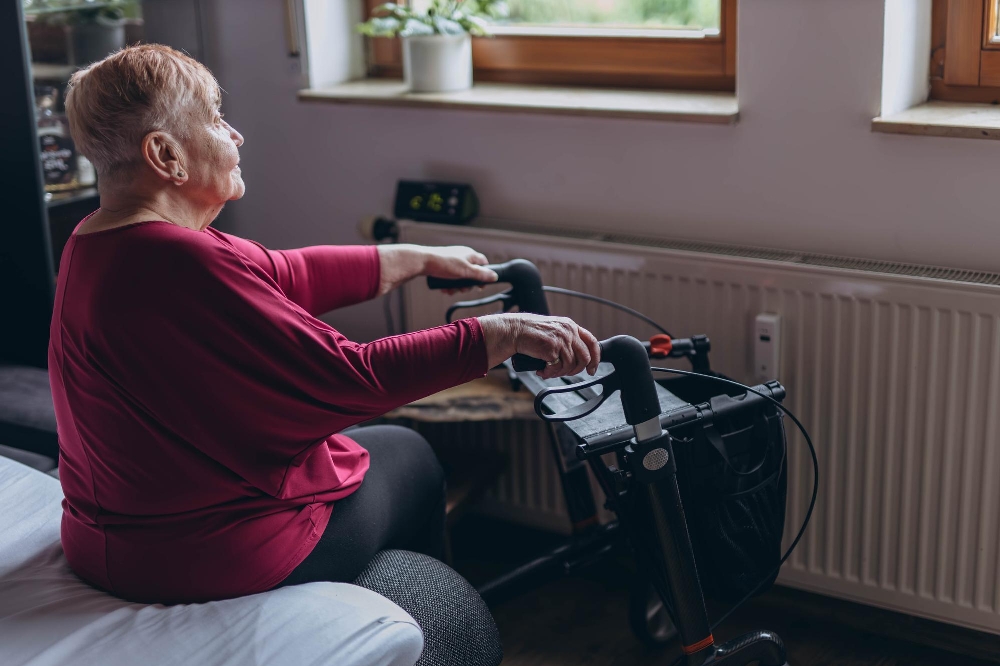
Every room presents different risks and task demands, so a single long checklist can feel overwhelming and easy to abandon. Working one space at a time keeps changes manageable and lets you see results before moving on. Occupational therapists often suggest starting with the highest-risk or highest-friction room first, then building from there as time and budget allow. Each small win also builds confidence for the next change.
The Kitchen: Where Tremor Impacts Daily Tasks Most
The kitchen is where tremor shows up most in daily life. Adaptive utensils, including swivel, weighted, or motorized designs, help manage tremor during eating, a point echoed by parkinsons.org.au and parkinsonsresource.org. A kettle tipper and one-handed cutting boards reduce the risk of burns and cuts. Storing frequently used items at waist-to-chest height limits reaching and stooping. Begin with the task that feels hardest, such as pouring or cutting.
The Dining Table: Eating and Drinking Independently
At the table, weighted or swivel utensils reduce tremor-related spillage and make meals feel less stressful. Non-slip mats and higher-sided bowls keep food from sliding off the plate. For more significant tremor or reduced arm control, assistive eating devices such as powered or spring-assisted systems are worth discussing with an occupational therapist. Lidded cups or controlled-flow drinking aids can reduce drink spills.
The Bathroom: Reducing the Highest Fall Risk
The bathroom is often the highest-risk room: a CDC analysis of emergency department data found that 81.1% of nonfatal bathroom injuries among people aged 15 and older were caused by falls. Grab bars installed around the toilet and shower are more reliable than towel racks for support. A shower seat or bench conserves energy and reduces the risk of slips during washing. A toilet riser makes sitting down and standing up less strenuous. Even modest changes here can make daily routines noticeably safer.
The Bedroom: Safety and Ease Overnight
Overnight movement deserves its own attention, as bedroom guidance from parkinsonsresource.org notes. A bed rail or transfer pole helps with safer repositioning and getting up. Motion-sensor lighting removes the need to fumble for switches in the dark. Keeping frequently needed items within reach at the bedside reduces nighttime movement. Satin sheets or a satin sleepwear layer can also make turning over in bed easier.
Living Areas: Furniture and Pathways
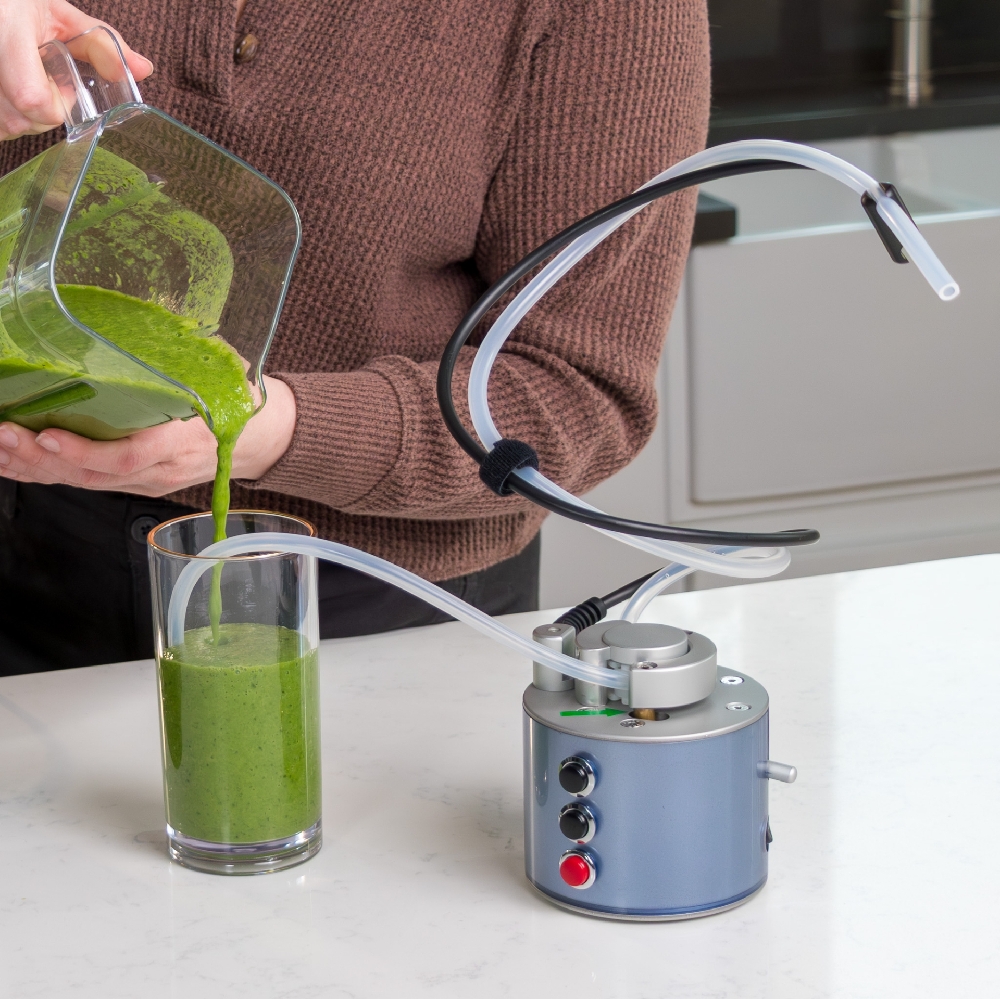
In shared living spaces, furniture-arrangement guidance from parkinsonsresource.org and caregivers.com points to a few consistent wins. Clear, wide pathways reduce tripping and leave room for mobility aids. Stable, higher-seated furniture is easier to get into and out of than low, soft seating. Removing loose rugs is one of the most consistently recommended changes across sources. A sturdy chair near the entrance gives a stable spot to sit while removing shoes.
Door Hardware and Everyday Grip Challenges
Tremor and reduced grip strength make small knobs and round handles frustrating to operate. As templehealth.org recommends, swapping to larger pulls or lever-style handles is a low-cost, high-impact change that makes daily movement between rooms easier. Many of these swaps are manageable as a DIY project or with help from a family member, making them a practical early step. Large rocker light switches are a similar easy swap for small toggles.
Occupational Therapy for Parkinson's
Occupational therapy for Parkinson's connects you with practical, personalized support. As news.cuanschutz.edu notes, a referral to an occupational therapist can lead to a home safety assessment tailored to how you live. Rather than a generic list, an OT can recommend specific equipment matched to current symptoms. This is useful at diagnosis and again as symptoms change over time. Asking questions during the visit helps you leave with a clear, practical plan.
Smart Home Technology Worth Considering
Smart home tools can lighten the load on fine motor control. As parkinsonsresource.org mentions, voice assistants and smart lighting reduce the need to operate small switches by hand. Smart plugs can automate lamps or a kettle without extra reaching or twisting. These additions don't replace physical adaptations, but they can supplement them once core safety changes are in place. Starting with one device keeps things simple.
Prioritizing Changes When Budget or Time Is Limited
When resources are tight, sequence matters. Start with the room where a fall or safety incident is most likely, usually the bathroom. Low-cost swaps such as removing rugs, changing hardware, and adding lighting can happen before bigger purchases. An occupational therapy assessment helps sequence larger equipment decisions by actual need. Revisit the list every few months so spending follows real, current needs.
Where Eating-Specific Equipment Fits In
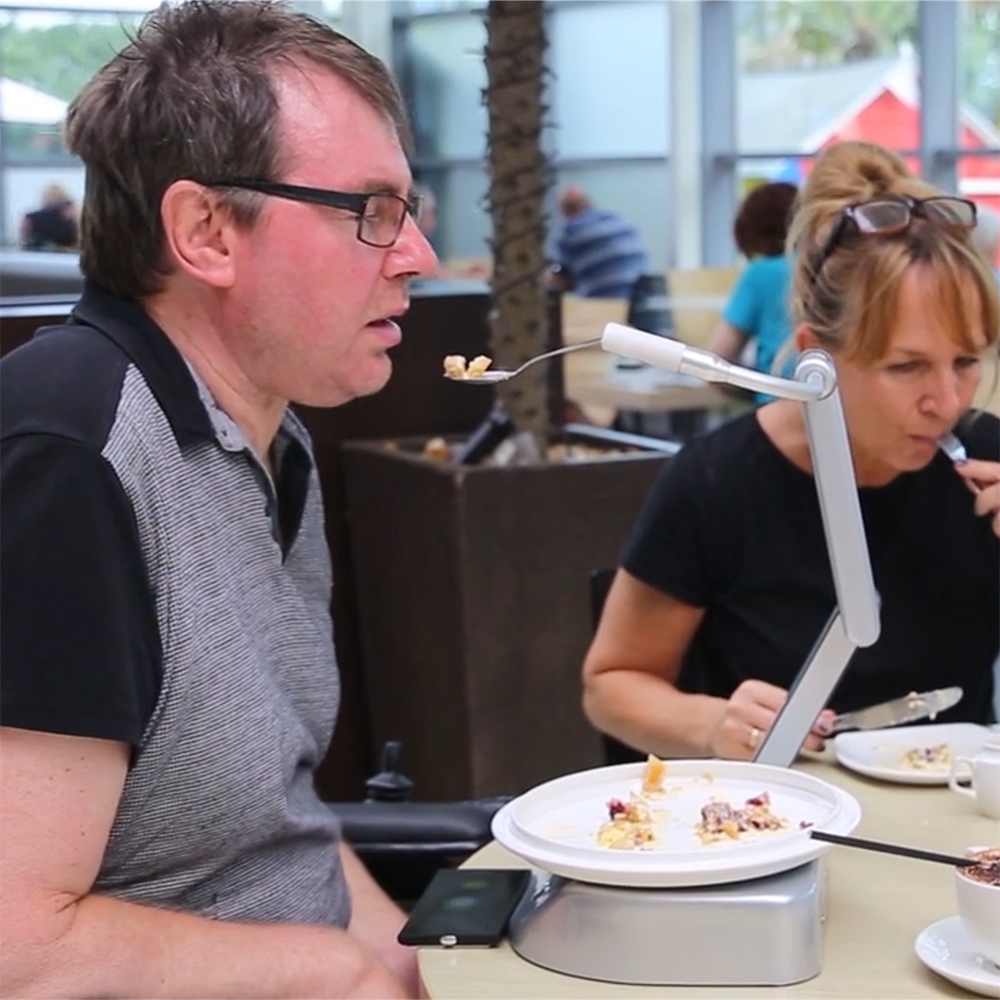
Within the kitchen and dining-table category above, several types of equipment address tremor specifically at mealtimes. Pisces Innovation distributes a range of eating and drinking aids, from tremor-focused tools like the Steadi-3 Plus Anti-Tremor Glove and the Gyenno Bravo Twist spoon to support for limited arm function, such as the Neater Eater manual and robotic systems, the Neater Powered Drinker, and the Neater Arm Support ZERO. Think of these as one category among many.
Conclusion
Adapting a home for Parkinson's works best as a room-by-room project, prioritized by risk and need and supported by occupational therapy guidance. The goal is a space that works with you rather than against you. As symptoms change, revisit your choices so that adaptive equipment for Parkinson's continues to match current abilities. If you'd like help choosing tremor-focused eating and drinking aids, our team is here to talk it through. The answer depends on which task the tremor disrupts most. For eating, adaptive utensils are the most commonly cited aid. For drinking, lidded cups or controlled-flow aids reduce spills. For writing or buttoning, built-up grips and simple dressing aids can help. Rather than buying several items at once, note the two or three tasks that cause the most frustration, then ask an occupational therapist which equipment best fits those tasks first. Yes. Beyond recommending equipment, occupational therapists teach practical strategies, such as breaking tasks into smaller steps, using cues to start movement, and planning demanding activities for times of day when energy is better. They can also coach family members on how to help without taking over. Many people find this combination of tools and techniques keeps them doing everyday tasks independently for longer. An OT may also suggest simple routine changes, such as sitting to dress. Beyond the core trio of grab bars, a shower seat, and a toilet riser, smaller additions help too. Non-slip mats inside and outside the shower, a handheld showerhead, and a night light for the route to the bathroom all reduce everyday strain. If your budget is limited, install grab bars first, since they support many routines, and have them secured into wall studs rather than relying on suction mounts, which can loosen over time. A safer kitchen combines a few practical changes. A seated workstation reduces fatigue during food preparation. Lightweight pans and an electric kettle with an automatic shut-off lower burn risk, and a wheeled cart moves dishes without carrying them. Together, these kitchen safety tips make cooking more comfortable. Starting with the one or two tasks that feel hardest keeps the process manageable and affordable. Keeping a pan lid near the stove adds a simple backup for small pan fires. Yes, in most cases. Also check other easy-to-miss floor hazards: raised thresholds between rooms, uneven transitions from carpet to tile, and trailing cords. If a rug must stay, choose a low-pile rug, secure every edge with non-slip backing, and keep it out of main walking routes. Smooth, continuous flooring makes walking and turning easier, especially where steps are slower. Good lighting along walking routes also makes edges and changes in floor level easier to see. Good times to arrange one include after a fall or near-miss, after a hospital stay, when you introduce a new mobility aid, or when everyday tasks start taking noticeably longer. Planning one early, before problems build, also helps you budget for changes. To request an assessment, ask your doctor or neurologist for an occupational therapy referral and mention which rooms or tasks concern you most. Bring photos of problem areas if a home visit is not possible.Frequently Asked Questions