
Shaky Hands: Common Causes Explained
TL;DR
- Shaky hands range from temporary lifestyle triggers to neurological conditions.
- Caffeine, low blood sugar, stress, and poor sleep amplify normal physiologic tremor.
- Essential tremor is the most common persistent neurological cause.
- Tremor timing (rest, posture, action) guides diagnosis.
- New or worsening tremor warrants a medical evaluation.
Shaky hands can feel unsettling, and understanding why they happen matters. The reasons vary widely, from temporary lifestyle factors such as caffeine or stress to underlying medical conditions like neurological disease. The reassuring reality is that most tremors are identifiable. Recognizing the type of tremor you have, and when it appears, is the first step toward addressing it with clarity rather than worry.
What Qualifies as a Hand Tremor
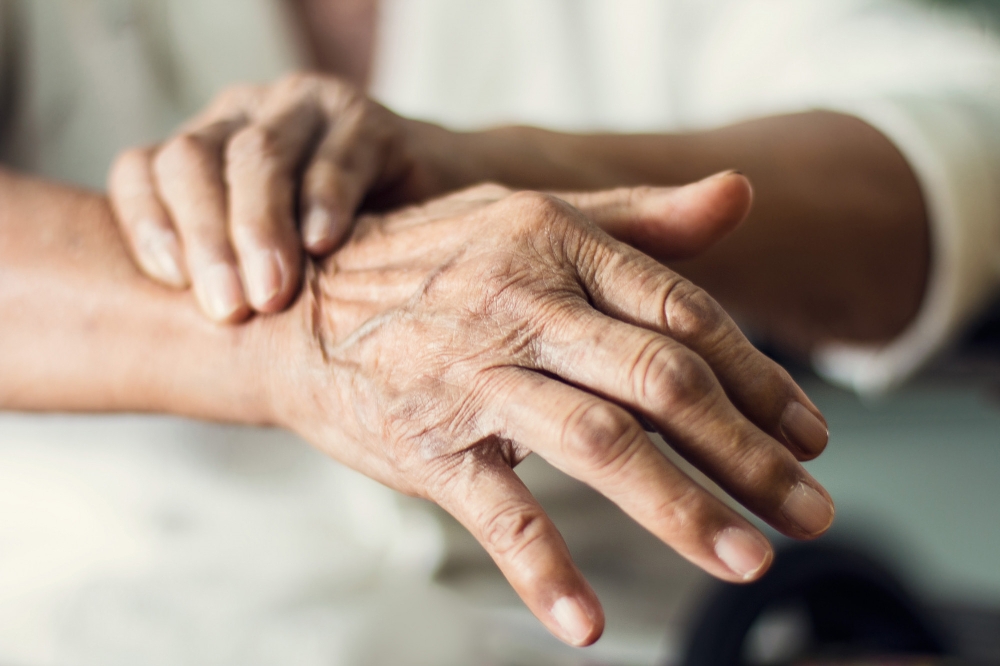
A hand tremor is an involuntary, rhythmic muscle contraction that produces visible shaking. "Shaky hands" is simply the everyday term for this involuntary movement. Everyone has a slight baseline tremor called physiologic tremor, usually too subtle to notice. It becomes visible only when amplified by specific triggers, which the following sections explore. Not all shaking signals a problem: the movement's context and persistence determine whether it is worth investigating further.
Lifestyle Triggers That Make Hands Shake
Many everyday factors amplify normal physiologic tremor. Caffeine and other stimulants activate the nervous system, heightening hand tremor. Low blood sugar triggers the body's stress response, producing visible shaking. Sleep deprivation disrupts nervous system regulation and muscle stability. Intense stress or anxiety floods the body with stress hormones, raising heart rate and generating tremor. The reassuring point: these causes of hand shaking are temporary. Once the trigger is removed, the shaking typically settles on its own.
Medication and Substance Side Effects
Several commonly prescribed medications list hand tremor as a documented side effect, including certain antidepressants, asthma inhalers, steroids, and some heart medications. Over-the-counter stimulants and energy supplements can also be responsible. Alcohol withdrawal is a distinct and serious cause, with tremor sometimes developing within hours of stopping heavy regular use. If you suspect a medication is contributing, always discuss it with your prescriber. Never stop a prescribed medication independently.
Neurological Conditions That Cause Shaky Hands
Several neurological conditions produce shaky hands, and each has a characteristic pattern:
- Essential tremor: the most common neurological cause, affecting more than 10 million Americans; typically an action tremor seen while holding a glass or writing.
- Parkinson's disease: a resting tremor, often a "pill-rolling" movement, frequently an early visible sign.
- Cerebellar tremor: an intention tremor from cerebellum damage (stroke or MS) that worsens near a target.
- Post-stroke tremor: varies by damage location.
- Peripheral neuropathy: nerve damage causing tremor with numbness and weakness.
Thyroid and Metabolic Causes
Shaky hands are not exclusively neurological. Hyperthyroidism, an overactive thyroid, accelerates the entire body, including heart rate, metabolism, and nervous system activity, producing hand tremor alongside unintentional weight loss, heat sensitivity, and disrupted sleep. Low blood sugar, discussed earlier as a lifestyle trigger, is also a medical concern in people with diabetes or insulin dysregulation. Liver disease can impair the processing of substances that regulate nerve function, contributing to tremor. Blood tests, not neurological exams, identify these causes.
How Age and Fatigue Affect Hand Tremor
Physiologic tremor naturally becomes more visible with age as muscle mass and fine motor control change. This is not the same as essential tremor or Parkinson's. Muscle fatigue after sustained effort or exercise also produces temporary post-exertional shaking at any age. The clinical distinction that matters: does the shaking appear only after exertion or rest, or during normal daily tasks at baseline? If hands shake constantly during tasks that never caused tremor before, that is the signal to seek evaluation, regardless of age.
Diagnosing the Cause of Shaky Hands

Physicians first ask when your hands shake, at rest, during sustained posture, or when reaching toward a target, because the answer points to different neurological systems. Blood tests rule out thyroid dysfunction, nutritional deficiencies, and liver or kidney problems. A neurological exam assesses reflexes, coordination, gait, and muscle tone to differentiate tremor types. Electromyography (EMG) measures nerve and muscle electrical responses when other tests are inconclusive. Imaging such as CT or MRI may be ordered when stroke or structural brain changes are suspected.
Tremor Management Devices for Daily Independence
For shaky hands caused by essential tremor or Parkinson's disease, assistive devices can reduce the functional impact. The Steadi-3 Plus Anti-Tremor Glove uses passive magnetic damping to reduce tremor at the wrist, needs no batteries or manual setup, and responds to tremor intensity automatically. It is an FDA-registered Class I medical device. In clinical testing using the Fahn-Tolosa-Marín (FTM) scale, 84% of participants showed improved tremor control versus no device, and 70% versus a placebo. Pisces Innovation is its exclusive authorized US distributor; our team can discuss whether it fits.
Tremor Types by When They Happen
Classifying tremor by timing helps you describe your experience accurately to a physician:
| Tremor type | When it happens | Commonly associated with |
|---|---|---|
| Resting tremor | Limb fully at rest and supported | Parkinson's disease |
| Postural and action tremor | Arms held out, or during tasks like writing | Essential tremor |
| Intention tremor | Increases as the hand nears a target | Cerebellar involvement |
Knowing which type you have is clinically useful, because it guides the physician's differential diagnosis.
Psychological and Emotional Causes
When the body perceives stress, it releases adrenaline and cortisol, triggering the fight-or-flight response that accelerates heart rate, breathing, and muscle activation. One physical expression of this response is visible hand tremor, especially in high-pressure situations. Chronic anxiety can produce a persistent low-level physiologic tremor that is easily confused with a neurological cause. Unlike neurological tremor, anxiety-related shaking is one of the causes of hand shaking that appears in predictable emotional contexts and diminishes with relaxation or once the stressor passes.
Can You Reduce Shaky Hands at Home
For lifestyle-driven shaking, a few adjustments often help:
- Reducing caffeine intake frequently improves enhanced physiologic tremor within days.
- Stabilizing blood sugar through regular meals helps prevent hypoglycemia-triggered shaking.
- Adequate sleep and structured stress management, such as breathing exercises and reduced stimulant use, address nervous system dysregulation.
An important qualifier: these approaches help lifestyle-driven and anxiety-related shaking. They do not address neurological hand tremor from essential tremor, Parkinson's, or structural brain changes. Persistent or worsening shaking warrants a medical evaluation regardless.
Conclusion
Shaky hands have a wide range of causes, from caffeine, stress, and poor sleep to medications, thyroid problems, and neurological conditions such as essential tremor and Parkinson's disease. The pattern and timing of the shaking are the most useful clues to which one applies. Lifestyle-driven shaking usually settles once the trigger is removed. Tremor that is new, persistent, worsening, or getting in the way of daily tasks deserves a medical evaluation, and the earlier the better.
About Pisces Innovation
Pisces Innovation is the exclusive authorized US distributor of the Steadi-3 Plus Anti-Tremor Glove and supplies assistive devices for daily living. If you are exploring tools to manage tremor, our team is here to talk it through. Essential tremor is the most common neurological cause of persistent shaky hands, affecting more than 10 million Americans. Unlike Parkinson's, it typically occurs during activity rather than at rest. Overall, though, lifestyle-driven causes such as caffeine, stress, low blood sugar, and poor sleep are the most common triggers, and these are temporary, resolving once the trigger is removed. The distinction between a neurological cause and a lifestyle cause matters, because it shapes how each is addressed. Any tremor that is new, persistent, or progressively worsening should prompt a medical evaluation. Certain red flags warrant earlier attention: tremor present at rest, tremor affecting one side noticeably more than the other, tremor accompanied by slowed movement or stiffness, or tremor that interferes with eating, writing, or self-care. A brief evaluation can rule out treatable causes such as thyroid dysfunction, medication effects, or nutritional deficiency, and if a neurological cause is found, early identification improves the available options. Some increase in visible tremor with age is considered normal, as physiologic tremor becomes more noticeable when muscle mass and neuromuscular precision change over time. This is not the same as essential tremor or Parkinson's disease tremor and does not by itself indicate pathology. The key question is whether the shaking is new, is progressively worsening, or has begun to interfere with specific daily tasks. If any of those apply, evaluation is appropriate regardless of age. Yes. Anxiety activates the body's stress response, releasing adrenaline and other hormones that directly produce visible tremor. This is classified as an enhanced physiologic tremor, an amplification of the baseline muscle activity everyone has. It typically appears in high-stress situations and diminishes once the stressor is removed. If anxiety-related shaking is frequent or interferes with daily activities, it is worth discussing with a healthcare provider, since anxiety itself is a treatable condition. The most practical distinction is timing. Essential tremor appears during movement or while holding a posture, whereas Parkinson's tremor typically appears at rest and often reduces once the person starts moving. Essential tremor most commonly affects both hands, while Parkinson's tremor often begins on one side. Parkinson's disease tremor is usually accompanied by other motor symptoms such as slowed movement, rigidity, and balance changes, while essential tremor typically presents in isolation. A neurologist can distinguish between them through a clinical examination. Yes. Caffeine is a stimulant that activates the central nervous system and can amplify normal baseline physiologic tremor to a level that becomes visible. Energy drinks, coffee, certain teas, and some over-the-counter medications all contribute. The effect is dose-dependent: moderate intake rarely causes significant shaking in most people, but high or habitual consumption can produce persistent tremor that mimics a neurological cause. Reducing intake typically resolves caffeine-related shaking within a few days.Frequently Asked Questions